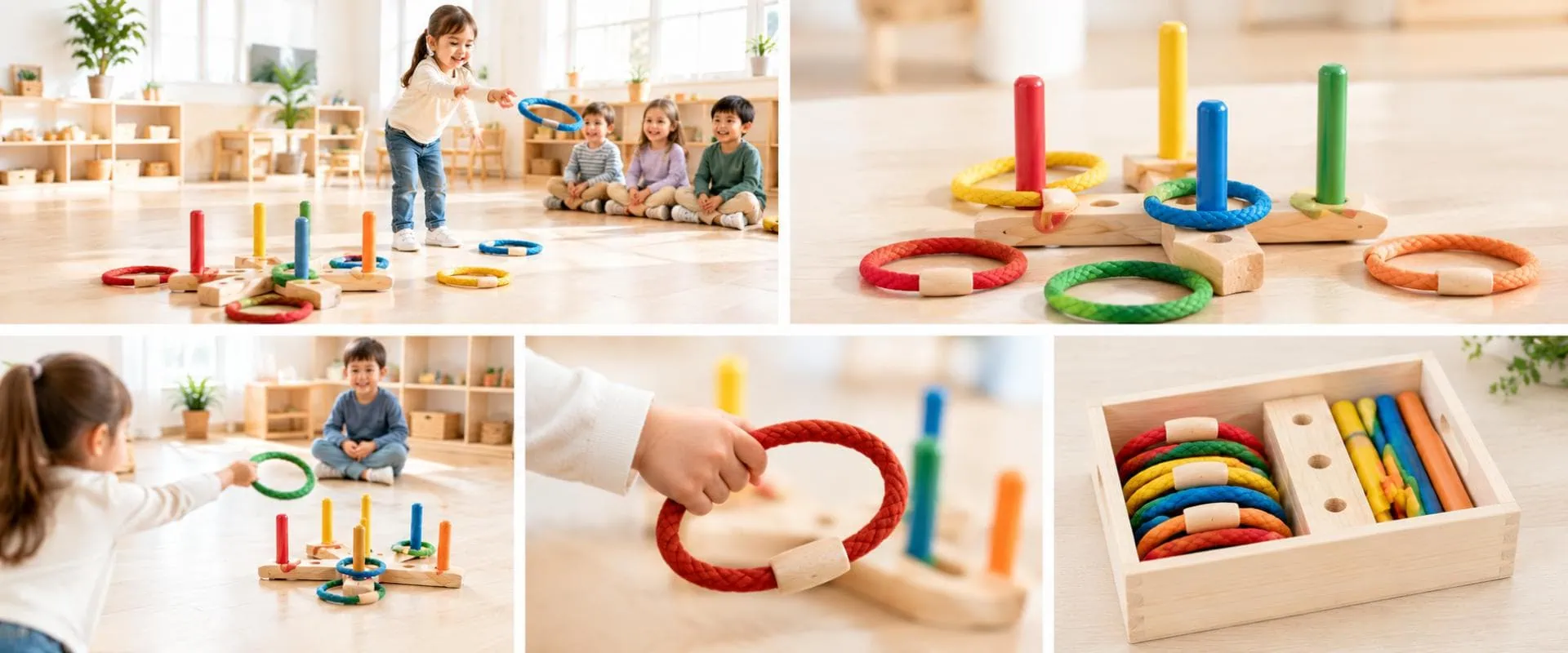
Sourcing wholesale preschool materials involves more than selecting attractive products at a competitive price. Distributors and importers need resources that suit their customers, meet relevant market requirements and remain practical to supply, demonstrate and support over time.
A well-planned collection should connect educational use with commercial realities: age suitability, product quality, packaging, shipment volume, replacement support and repeat-order consistency.
This guide explains how to build a preschool product assortment, evaluate suppliers and prepare a clear purchasing specification for your distribution business or early learning project.
What Are Preschool Materials?
Preschool materials include the resources used for construction, pretend play, sensory exploration, early mathematics, creative activities and physical movement. Depending on the project, a sourcing plan may also include furniture, storage and outdoor equipment.
These products should not all be evaluated in the same way. A tabletop puzzle, a storage cabinet and a climbing structure have different uses, maintenance needs and safety considerations.
Begin by identifying the learning environments your customers serve. A distributor supplying toddler centres will need a different assortment from one supplying Montessori programmes, outdoor learning projects or general preschool classrooms.
Where Wooden Materials Fit in a Preschool Collection
Well-made wooden resources can offer durable construction, a natural appearance and varied tactile qualities. Blocks, puzzles and role-play equipment can also form coordinated collections that are easy to present in a showroom or catalogue.
However, wood alone does not guarantee safety, sustainability or a long service life. Performance depends on the material specification, design, joints, finish, intended environment and maintenance.
Choose materials according to their function rather than excluding other suitable options. An effective preschool assortment may combine wood with fabric, metal, rubber, acrylic or other materials where they support the intended activity.

Core Product Categories to Consider
The following categories provide a practical starting point for assortment planning. They are not a sales ranking: the right mix depends on local demand, customer budgets and the educational settings you serve.
Blocks and Construction Play
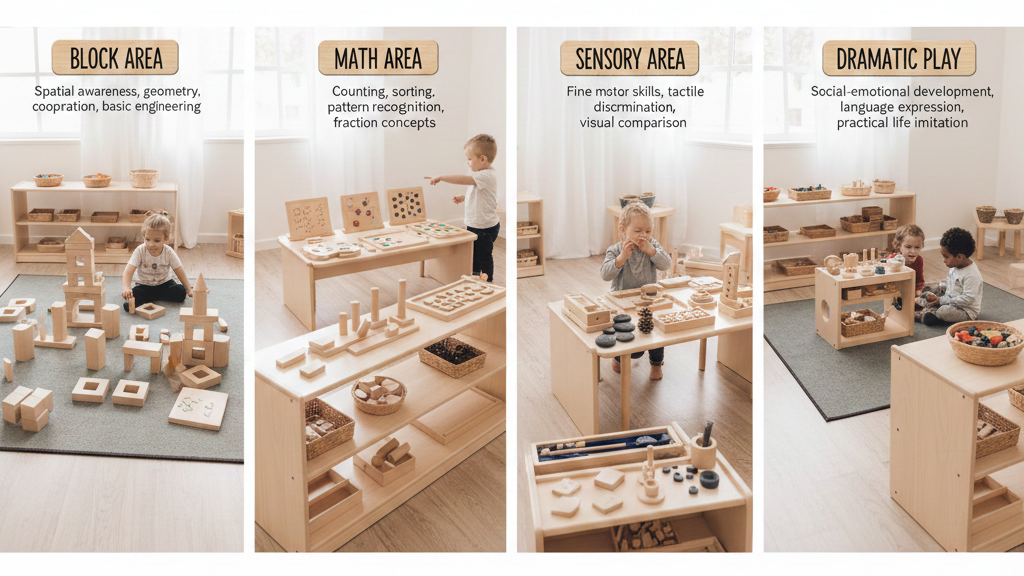
Tabletop blocks, larger construction systems and complementary road or small-world pieces can support building, storytelling and collaborative exploration. Compare component dimensions, storage needs and compatibility before combining products into a collection.
Dramatic and Role Play
Kitchens, shops, workbenches and role-play furniture help create settings for imaginative activity. Select combinations that fit the available space and local context, with suitable accessories and practical storage.
Montessori Materials
Montessori materials require attention to dimensions, progression and intended presentation. Many are designed for specific activities rather than unrestricted use. Do not label every wooden puzzle or block set as Montessori simply because it is made from wood.
Sensory and Loose-Parts Resources
Trays, containers and suitable loose parts can support sorting, arranging, comparing and exploratory play. Component size and intended age are especially important when selecting resources for children who may mouth objects.
Mechanical Construction and Early STEM
Bolt-and-nut sets and connecting systems can introduce assembly, testing and practical problem-solving. Check how easily children can handle the connections, which configurations are supported and whether replacement components are available.
Infant and Toddler Equipment
Products for younger children need a distinct selection process. Review intended ages, stability, accessible components, supervision requirements and the suitability of surfaces for regular cleaning.
Outdoor Play and Sand-and-Water Resources
Outdoor blocks, active-play equipment and sand-and-water stations should be specified for their actual environment. Confirm weather exposure limits, drainage, storage, installation and maintenance rather than assuming an indoor product can remain outside.
Furniture and Storage
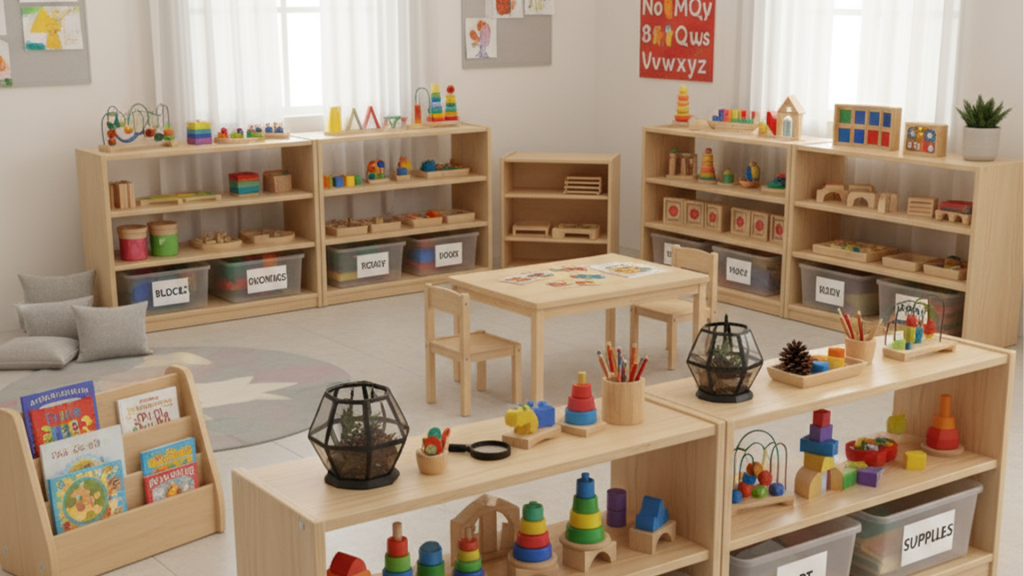
Tables, seating and storage help make a product collection usable in a classroom. Consider working heights, access, assembly and the space required to organise materials without obstructing movement or supervision.
How to Evaluate a Wholesale Preschool Materials Supplier
A reliable supplier should be able to explain what is being supplied, how quality is checked and what support is available after shipment. Review evidence for the products you plan to order, not only general company claims.
- Relevant manufacturing experience: Ask about comparable educational products, institutional-use requirements and export experience.
- Clear specifications: Confirm materials, dimensions, component counts, finishes, packaging and intended use.
- Product-specific documentation: Check whether reports and documents cover the actual models, materials and configurations under consideration.
- Quality-control procedures: Review checks for incoming materials, machining, finishing, assembly and final packing.
- Sampling and approval: Agree how samples will be reviewed and how the approved specification will be maintained during production.
- Repeat-order support: Discuss spare parts, specification changes, lead times and how discontinued components will be handled.
You can review Sing2sky’s certification information as an initial reference, then request the documentation relevant to your selected products and destination market.
Check Safety Requirements by Product and Market
A general certificate folder does not demonstrate that every item in a catalogue is suitable for every market. Identify the product category, intended age, destination and applicable requirements before confirming the order.
For the United States, the CPSC toy safety guidance explains the role of ASTM F963 and product-specific requirements. A Children’s Product Certificate is a compliance document, not a testing standard or a universal quality award.
Furniture, playground equipment and other classroom products may fall under different requirements from toys. Work with an appropriate testing laboratory or compliance specialist to confirm the scope, required documentation and responsibilities for your shipment.
Similarly, verify environmental claims against relevant evidence. A natural appearance or wooden construction is not enough to establish responsible sourcing, low emissions or a particular certification.
Compare Total Purchasing Cost, Not Just Unit Price
A low factory price may not produce the lowest delivered cost. Compare quotations using the same specification and trade term, then account for the costs needed to bring the products into your market.
- Product price and any customisation or tooling charges.
- Packaging dimensions, gross weight and shipment volume.
- Freight, insurance and destination handling.
- Applicable import charges, documentation and testing costs.
- Local delivery, storage and assembly.
- Replacement components and after-sales support.
For bulky preschool equipment, carton volume and loading arrangements can materially affect the economics. Ask for packing details early rather than waiting until the order is ready to ship.
Build a Focused Assortment Before Expanding
Start with a collection that answers a clear customer need. A construction-play package, toddler-room selection or outdoor learning collection is easier to explain and demonstrate than a large assortment of unrelated products.
- Core resources: Select products with a clear role in the environments you serve.
- Complementary items: Add storage, accessories and extension components that make the core resources more useful.
- Demonstration samples: Choose items that help customers understand scale, quality and practical use.
- Expansion options: Plan additions based on customer feedback and repeat demand rather than assumed trends.
OEM, ODM and Distributor Support
Since 2008, Sing2sky has developed educational toys and early learning equipment for hands-on play environments. We work with distributors, importers, OEM brands and project partners to develop coordinated product selections.
Depending on the product and agreed order specification, support may include custom colours, configurations, branding, packaging and product development. Product photography and promotional video support can also help partners demonstrate their collections.
Customisation should be confirmed before production, including minimum quantities, sample approval, lead times and any implications for testing. Do not assume that a design change is covered by the original product documentation.
Educational providers can also contact us to discuss their requirements and available local distribution channels.
What to Include in a Quotation Request
A clear enquiry helps the supplier recommend suitable products and reduces avoidable revisions. Include the following information:
- Your company type and destination market.
- Selected product links or model numbers.
- Intended ages and indoor or outdoor use.
- Estimated quantities and preferred assortment.
- Required specifications, documentation and branding.
- Delivery destination, preferred trade term and target timeline.
Conclusion
Successful wholesale sourcing connects educational suitability with product quality, documentation and commercial planning. Build a focused assortment, review samples carefully and compare total purchasing costs before expanding your range.
Request the Sing2sky catalogue or contact our team for product recommendations and a quotation for your distribution business, private-label programme or early learning project.