

Effective Pre-K activities do more than keep children occupied. They invite children to talk, build, move, investigate, create, and solve problems through active play.
Educational toys can support these experiences, but the toy itself is only one part of the learning process. The way educators introduce a material, respond to children’s ideas, and adjust the challenge often matters more than the number of features a product offers.
This guide presents 10 practical play-based activities and explains how preschool programs, education groups, distributors, and project planners can select toys that support meaningful classroom use.

What Makes a Pre-K Activity Developmentally Appropriate?
A useful preschool activity should connect with children’s current abilities while leaving room for exploration and gradual challenge. It does not need to produce an identical result for every child.
The National Association for the Education of Young Children describes developmentally appropriate practice as a strengths-based, play-based approach that supports joyful and engaged learning. Educators should also consider each child’s cultural, linguistic, developmental, and ability-related context.
- Active participation: Children manipulate, move, discuss, test, or create instead of only watching.
- Meaningful choice: The activity provides more than one possible action or solution.
- Flexible challenge: Educators can simplify or extend the activity without replacing all the materials.
- Conversation: Children have opportunities to explain ideas, ask questions, and listen to others.
- Inclusive access: Materials can be reached, understood, and used in different ways.
- Observable learning: Educators can notice strategies, language, persistence, and collaboration during play.
10 Play-Based Pre-K Activities
1. Story Basket and Puppet Retelling
Place a familiar picture book, several character figures, and a few simple props in a basket. After reading the story, invite children to retell it, change the ending, or invent a new adventure for the characters.
This activity supports oral language, sequencing, comprehension, imagination, and cooperative play. Educators can extend the conversation with prompts such as “What happened next?” or “How could the character solve that problem?”
2. Name and Letter Investigation
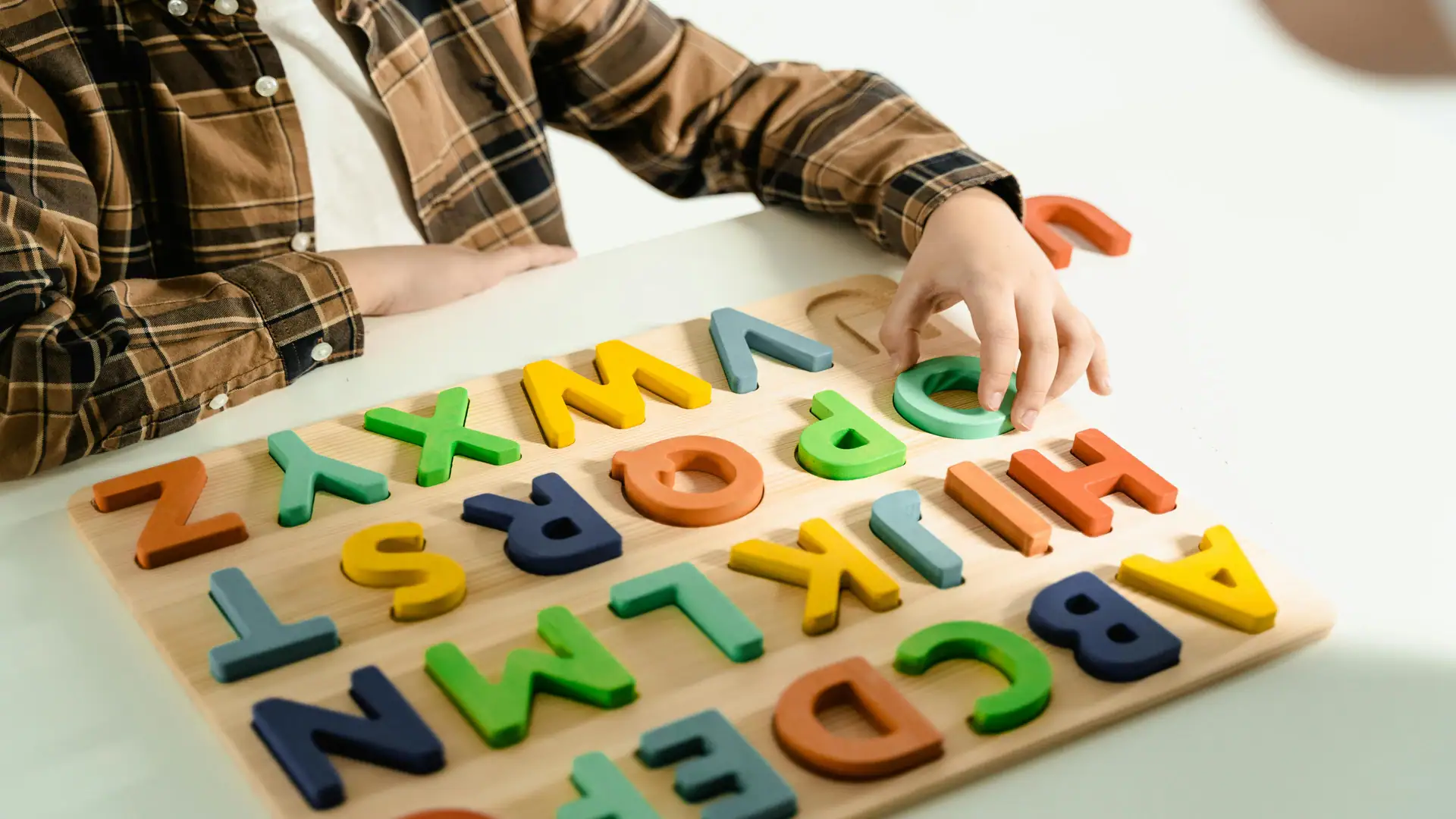
Provide name cards, movable letters, alphabet tiles, or letter-shaped pieces. Children can find the first letter in their name, compare names, build familiar words, or match letters with environmental print.
Keep the activity playful rather than turning it into a speed test. Some children may arrange complete names, while others may explore letter shapes, sounds, or visual similarities.
3. Count, Sort, and Compare
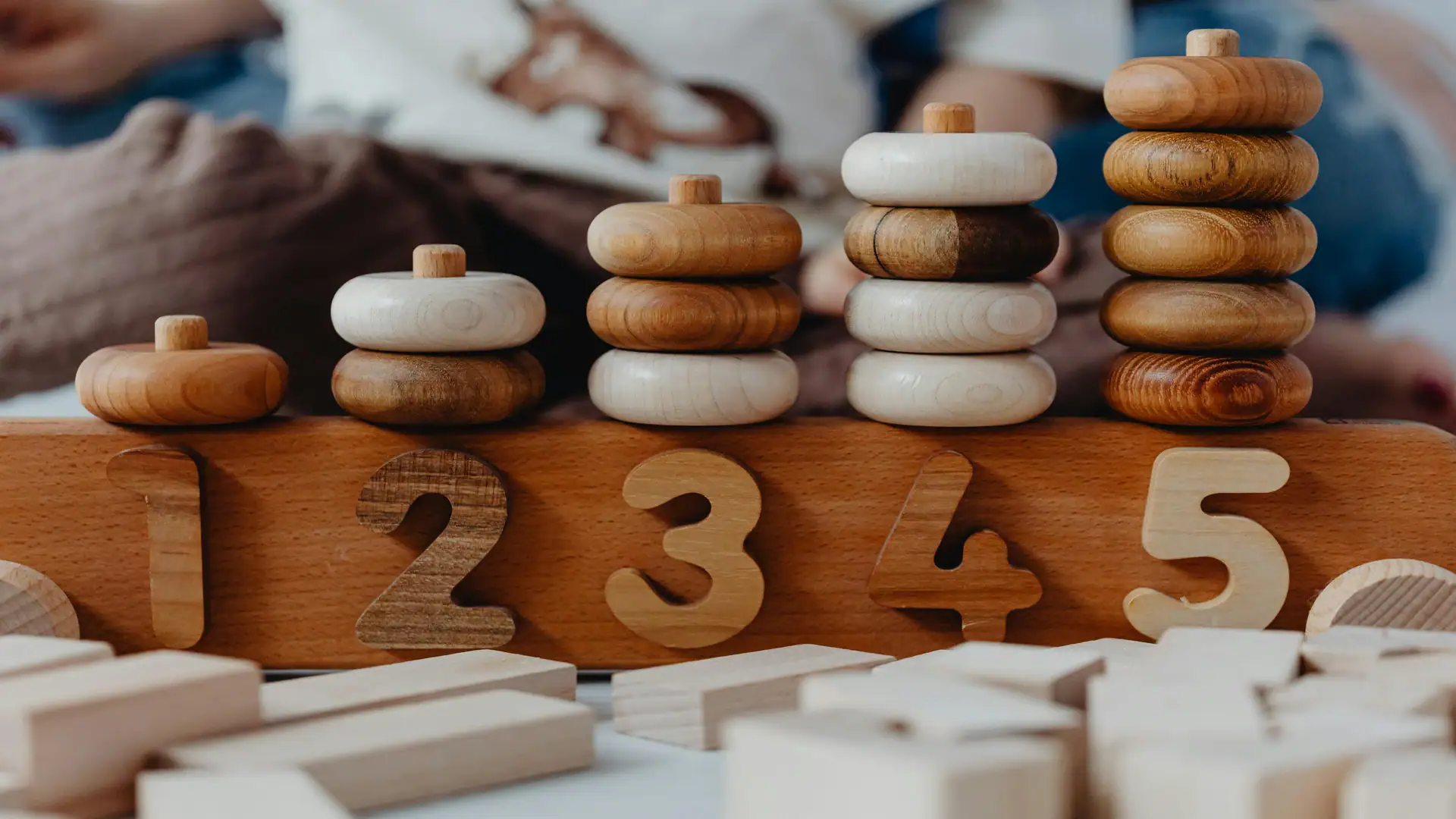
Offer counters, wooden figures, buttons, natural objects, or other age-appropriate manipulatives. Ask children to sort them by one observable attribute, count each group, and discuss which group has more, fewer, or the same number.
The same materials can support increasingly complex tasks:
- Sort by color, shape, size, or type.
- Create groups containing a specified number of objects.
- Match quantities to numeral cards.
- Make and continue simple patterns.
- Explain why an object belongs in a particular group.
4. Pattern and Construction Challenge
Use blocks, pattern pieces, connectors, or stacking materials to create a simple model. Ask children to copy part of the model and then develop their own version.
Instead of focusing only on whether the final structure matches, observe how children rotate pieces, identify relationships, respond to instability, and revise their plans.
5. Build a Bridge
Give a small group two support points, construction pieces, and a toy figure or vehicle. Their challenge is to build a bridge that connects the supports and holds the object.
Useful educator questions include:
- What could make the bridge stronger?
- Why did that piece move?
- How could you make the bridge wider or longer?
- What happened when you changed the supports?
This open-ended activity introduces planning, testing, spatial reasoning, collaboration, and early engineering vocabulary without requiring one prescribed solution.
6. Nature Investigation Station
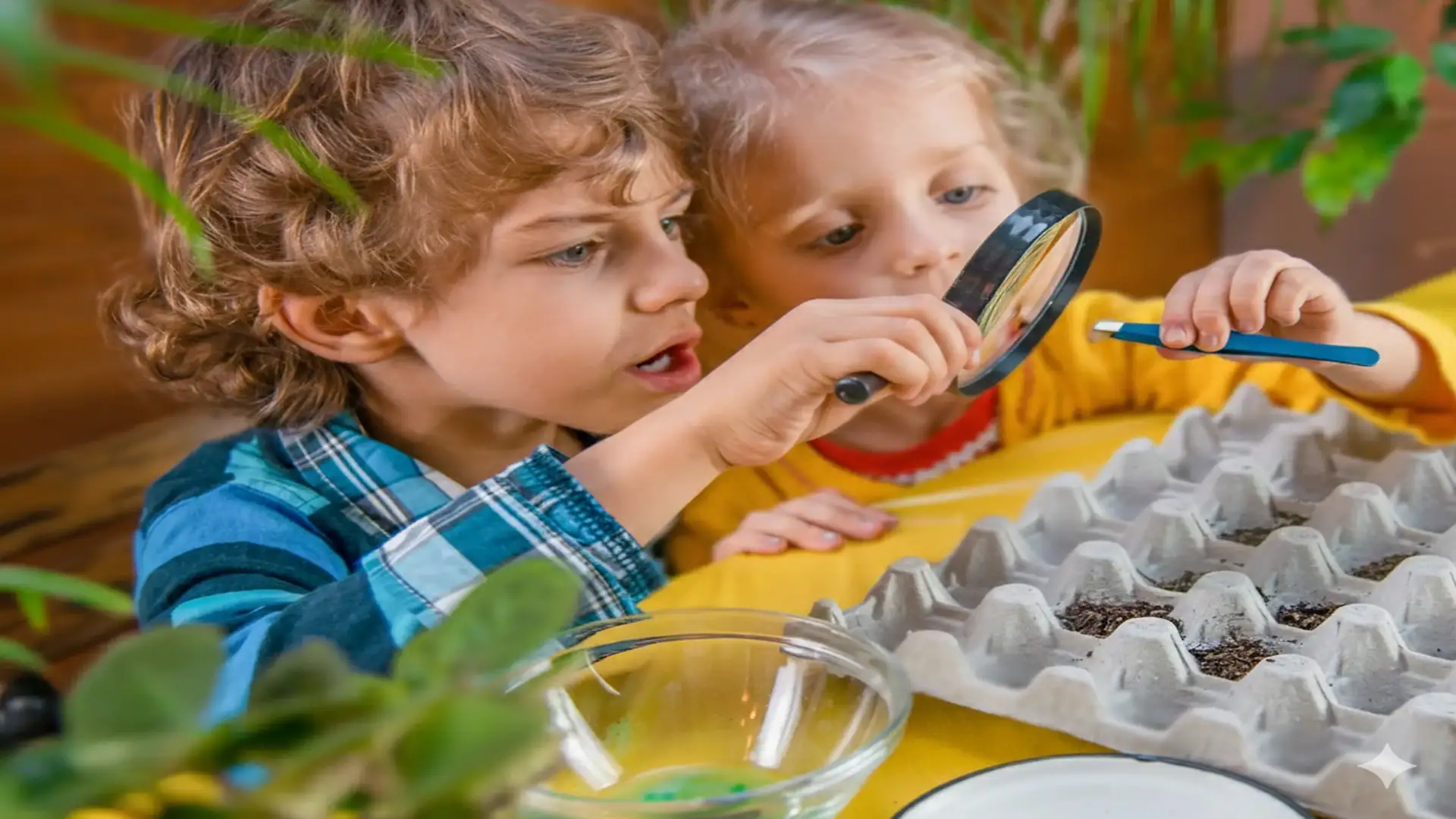
Collect safe natural materials such as leaves, seed pods, stones, or pieces of bark according to the policies of the program. Add magnifiers, sorting trays, paper, and drawing tools.
Children can compare textures, examine patterns, sort objects, make observational drawings, and describe similarities and differences. Educators should inspect collected materials for sharp edges, allergens, choking hazards, or contamination before classroom use.
7. Dramatic-Play Market
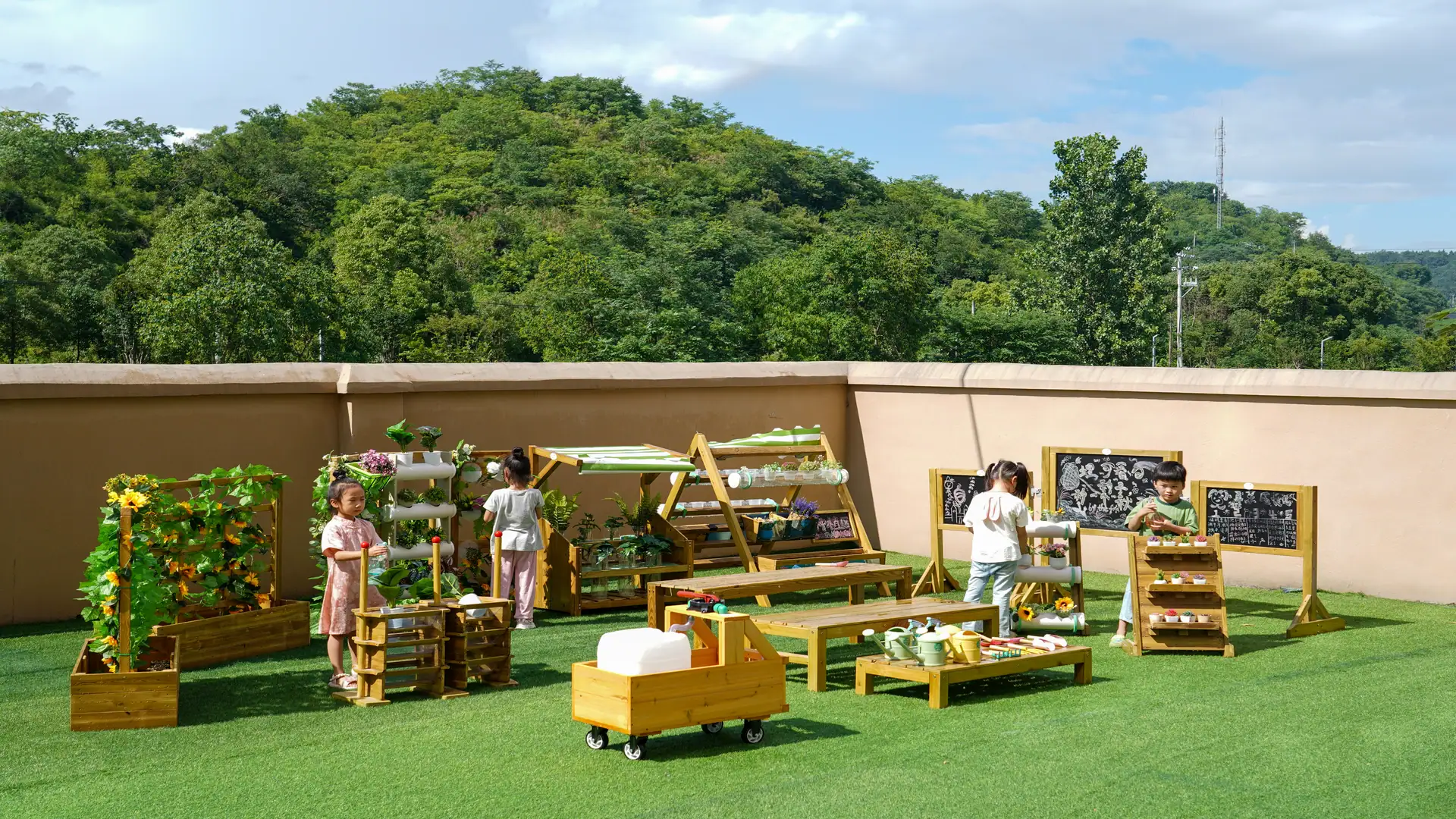
Transform a dramatic-play area into a small market using baskets, pretend food, reusable containers, signs, notepads, and play currency appropriate for the group.
Children can take the roles of customer, cashier, stocker, or delivery worker. The activity naturally creates opportunities for negotiation, turn-taking, mark-making, counting, classification, and practical vocabulary.
Include foods, packages, names, and visual references that reflect the cultures and everyday experiences represented in the classroom community.
8. Open-Ended Art Studio
Provide a manageable selection of paper, crayons, washable paint, collage materials, reusable shapes, and child-appropriate tools. Introduce how to use and return the materials, then leave the final subject and design open.
Open-ended art allows children to plan, make choices, combine materials, revise ideas, and communicate meaning. Avoid requiring every child to reproduce the same adult-made model.
9. Music, Rhythm, and Movement Patterns
Use clapping, tapping, scarves, rhythm sticks, or suitable classroom instruments to create patterns for children to copy and extend. Invite children to become the leader and create their own movement or sound sequence.
Educators can vary the tempo, number of steps, and type of movement. Provide seated or lower-impact participation options so children can join in different ways.
10. Fine-Motor Transfer Laboratory
Set up containers with larger, age-appropriate objects and tools such as scoops, tongs, cups, or spoons. Children can transfer, sort, count, and compare the materials.
Start with tools and objects that are easy to grasp, then adjust resistance, distance, or precision according to children’s observed abilities. Materials must be selected with choking risk, allergies, hygiene, and supervision requirements in mind.
Matching Educational Toys to Learning Goals
| Learning area | Useful materials | Possible activity |
|---|---|---|
| Language and literacy | Story figures, puppets, movable letters, picture cards | Retell, sequence, describe, and invent stories |
| Early mathematics | Counters, sorting sets, number pieces, pattern blocks | Count, classify, compare, match, and make patterns |
| Construction and spatial reasoning | Blocks, connectors, ramps, stacking pieces | Design, build, test, balance, and revise |
| Science and inquiry | Magnifiers, trays, simple tools, nature collections | Observe, predict, compare, and document |
| Dramatic play | Play food, figures, vehicles, dress-up materials | Negotiate roles and recreate familiar situations |
| Creative expression | Art materials, musical instruments, loose parts | Create visual, musical, and movement compositions |
| Fine-motor development | Puzzles, threading materials, tongs, manipulatives | Grasp, place, rotate, connect, and transfer |
| Gross-motor development | Balance equipment, balls, stepping elements | Balance, coordinate, throw, carry, and navigate |
How to Choose Educational Toys for Pre-K Programs
1. Begin With the Intended Learning Experience
Choose a toy because of what children can do with it, not simply because it is labeled “educational.” Identify the actions the material invites, such as constructing, sorting, storytelling, experimenting, collaborating, or moving.
2. Look for Open-Ended Use
A versatile material can often be used across several activities and ability levels. Blocks, figures, loose construction components, and sorting pieces may support different goals depending on the educator’s prompts and the children’s ideas.
3. Check Age Grading and Foreseeable Hazards
Review the manufacturer’s age grading, instructions, warnings, component size, attachment strength, finish, edges, cords, batteries, and magnets. Small parts and powerful magnets require particular attention because they may present serious ingestion or choking hazards.
Safety requirements differ by product type and destination market. Buyers should request documentation applicable to the exact product configuration and intended market rather than relying on a general statement covering an entire catalog.
4. Evaluate Durability and Maintainability
Classroom materials may be handled by many children every day. Examine joints, fasteners, surface treatments, replaceable parts, cleaning instructions, storage needs, and the possibility of inspecting the product during routine use.
5. Consider Inclusive Participation
Children do not need to be divided into fixed “learning styles.” Instead, provide multiple ways to participate—for example, by handling objects, speaking, observing, drawing, moving, or working with a peer.
Representational toys should also reflect varied families, cultures, occupations, abilities, and everyday experiences without relying on stereotypes.
6. Plan for Cleaning and Storage
Before ordering, determine how the materials will be cleaned, dried, inspected, counted, stored, and replaced. A product that is difficult to maintain may create unnecessary work even if it performs well during an individual activity.
Setting Up the Pre-K Learning Environment
A well-organized environment helps children understand where materials belong and how they may be used. It can also reduce unnecessary waiting, crowding, and conflict.
- Store frequently used materials where children can see and reach them.
- Use pictures and words on storage labels when appropriate.
- Provide enough workspace for the intended number of users.
- Separate quiet activities from active movement areas.
- Keep circulation paths and educator sightlines clear.
- Avoid displaying so many materials that choices become difficult to manage.
- Rotate or modify materials in response to observation, current projects, and children’s interests.
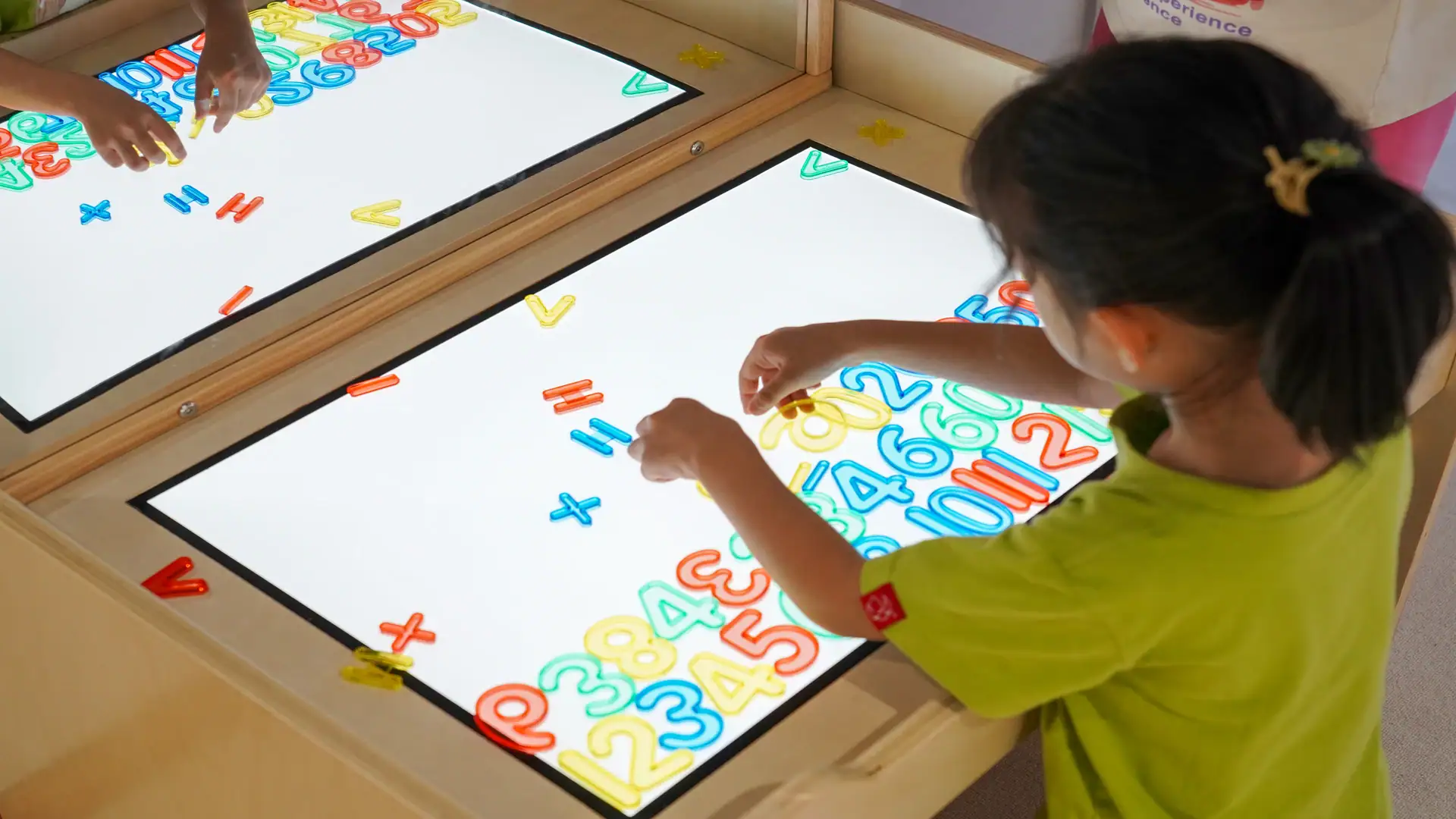
Observing Learning During Play
An activity does not need a worksheet or test to provide useful information. During play, educators can record brief, objective observations about what a child says and does.
- How does the child begin the activity?
- What strategy does the child try?
- How does the child respond when something does not work?
- What language or mathematical ideas appear?
- Does the child seek help, offer help, or collaborate?
- What change could make the next experience more accessible or challenging?
These observations can inform planning, but completing a particular toy or puzzle should not be treated as a standardized measure of development. Programs should follow their established assessment policies and use multiple sources of information.
Procurement Checklist for Pre-K Toys and Activities
For distributors, preschool groups, importers, and project planners, product selection should combine educational purpose with safety, consistency, and operational requirements.
- Define the intended age group and classroom use.
- Identify the applicable regulations and standards for the destination market.
- Request product-specific test reports and technical documentation where required.
- Confirm dimensions, materials, finishes, packaging, labeling, and warning requirements.
- Review samples for stability, edges, joints, detachable components, and finish quality.
- Evaluate cleaning, inspection, storage, and replacement procedures.
- Confirm order quantity, lead time, packaging configuration, and spare-part options.
- Document any OEM branding, color, size, or packaging modifications before production.
Frequently Asked Questions
How many Pre-K activities should be available at one time?
There is no universal number. The appropriate selection depends on room size, group size, staffing, storage, and children’s familiarity with the materials. A smaller number of well-prepared options is often easier to use and observe than an overcrowded classroom.
What makes a toy educational?
A toy becomes educationally useful when it supports meaningful actions such as experimenting, constructing, communicating, comparing, imagining, or collaborating. An “educational” label alone does not establish learning value.
Are wooden toys always better for preschool classrooms?
No single material is automatically best. Wood, plastic, fabric, metal, and composite materials can serve different purposes. Buyers should evaluate the complete product, including its design, age grading, construction, finish, durability, maintenance requirements, and applicable test documentation.
How often should classroom toys be rotated?
Rotate or adapt materials when observation shows declining engagement, a new project requires different resources, or children are ready for additional challenge. A fixed weekly rotation is not necessary if the current materials continue to support meaningful play.
Can one toy support several developmental areas?
Yes. A block-building activity may involve spatial reasoning, mathematical language, fine-motor control, planning, negotiation, and storytelling. The learning possibilities depend on how children use the material and how educators extend the experience.
Build a Practical Pre-K Learning Collection
The strongest Pre-K activity collections are not necessarily the largest. They combine versatile materials, thoughtful teaching interactions, clear organization, appropriate challenge, and product-specific safety review.
Sing2sky has supported educational furniture and toy projects since 2008. We work with distributors, importers, education groups, OEM brands, and project partners on product selection, customization, packaging, and order planning.







